

Bildcode
Bildcode kopiert
Du siehst es jetzt noch nicht in voller Schärfe, aber an deiner Wand wird es das später natürlich!
Scrolle zum Hineinzoomen, ziehe, um das Kunstwerk zu bewegen.
Ziehe mit dem Finger, um das Kunstwerk zu bewegen.


Bereits mehr als 375.000 Wände gefüllt!

Lasse dich noch mehr inspirieren
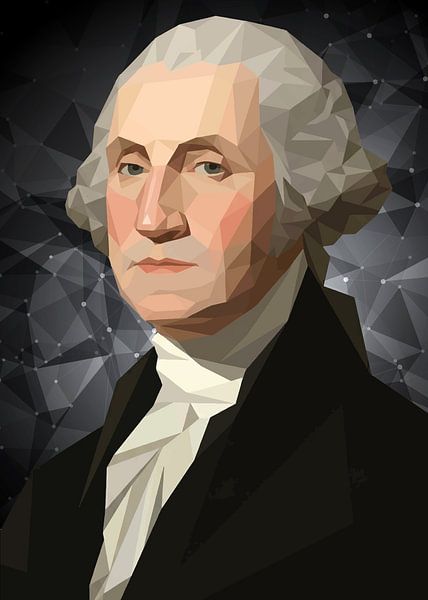
Über „George Washington“ von Low Profile
"George Washington" (style Low poly) inspiration from a painting by Gilbert Stuart in (ca 1796–1805)
When Gilbert Stuart put brush to canvas during George Washington’s presidency, he painted the image most recognized today.
Stuart wanted to paint Washington, for he expected that he could make a "fortune" on images of the…
Farben
Entdecke unseren ArtFrame
Die moderne Alternative zur Leinwand
Dein Lieblingskunstwerk auf hochwertigem Textildruck, gespannt in einem Aluminium- oder Holzrahmen. Der Textildruck lässt sich schnell und einfach austauschen. So erzeugst du im Handumdrehen eine neue Atmosphäre in deinem Zuhause, ganz nach deinem Geschmack.
- Hochwertige Druckqualität
- Einfach austauschbar
- Akustische Funktion
- Große Formate möglich
Lerne den Künstler kennen
Low Profile
Vereinigtes Königreich

„Low Poly ist eine Sammlung von Profilen berühmter Persönlichkeiten – in Low Profile.“
Shop besuchen
Entdecke die Werke von Low Profile














Kundenbewertungen
Verwandte Sammlungen